
You Are What You Wear: Fashion Psychology
A scientific analysis of how clothing choices affect your mood, self-confidence, and how others perceive you.
Research shows that the clothes we wear directly affect our mental state, performance, and how others perceive us. The concept called 'enclothed cognition' by scientists refers to the psychological influence of clothing on the wearer.
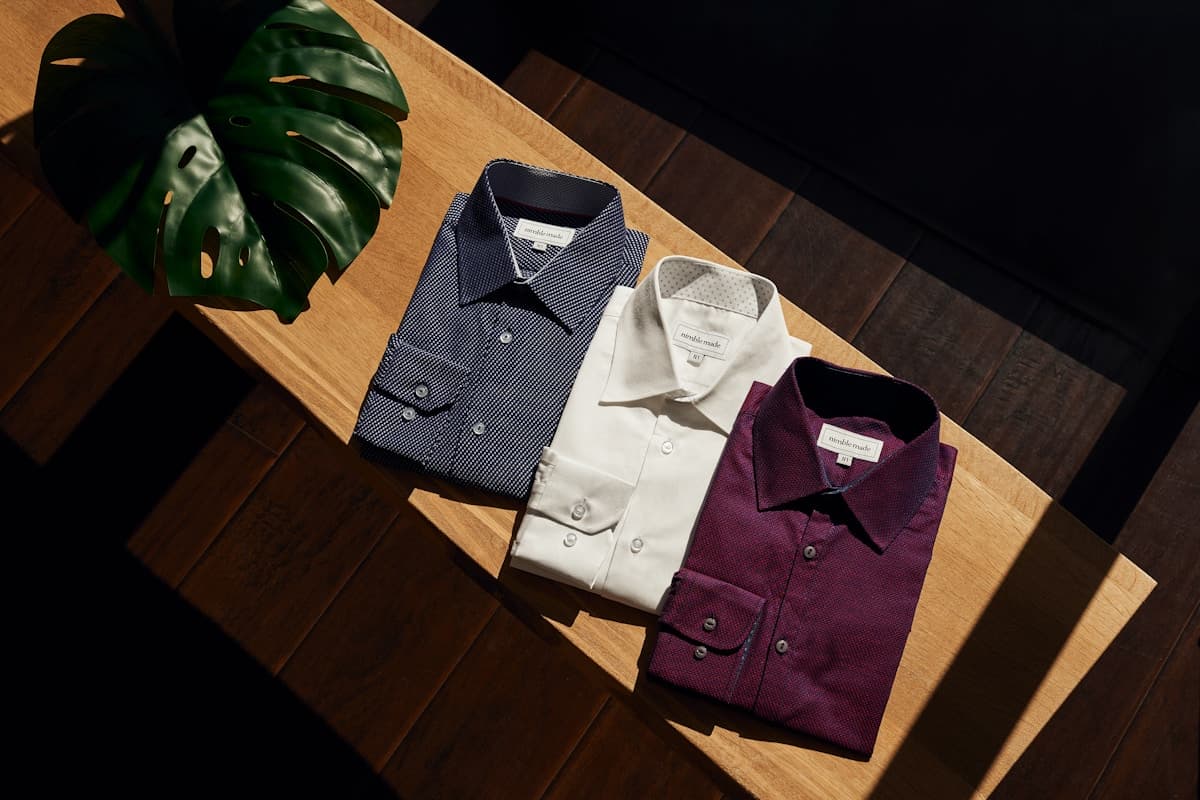
Studies reveal that people who dress formally perform better in abstract thinking tasks. Meanwhile, wearing comfortable and casual clothes in creative work environments increases creative output. This shows that there is no single 'best' dressing style — the right style changes according to context.
Colors also have a direct effect on mood. Red increases energy and confidence, blue provides calmness and focus, yellow evokes optimism and creativity. Consciously choosing colors that suit your mood for the day can be a powerful tool to start the day.
Personal style is ultimately an extension of identity. When you dress in a way that is consistent with your values and personality, both your self-confidence and your presence in social environments increase significantly. Fashion is not superficial — it is a silent but powerful language.
Finding your personal style is a process of discovery. By experimenting with different fabrics, colors, and cuts, you can determine the silhouette in which you feel most comfortable and confident.
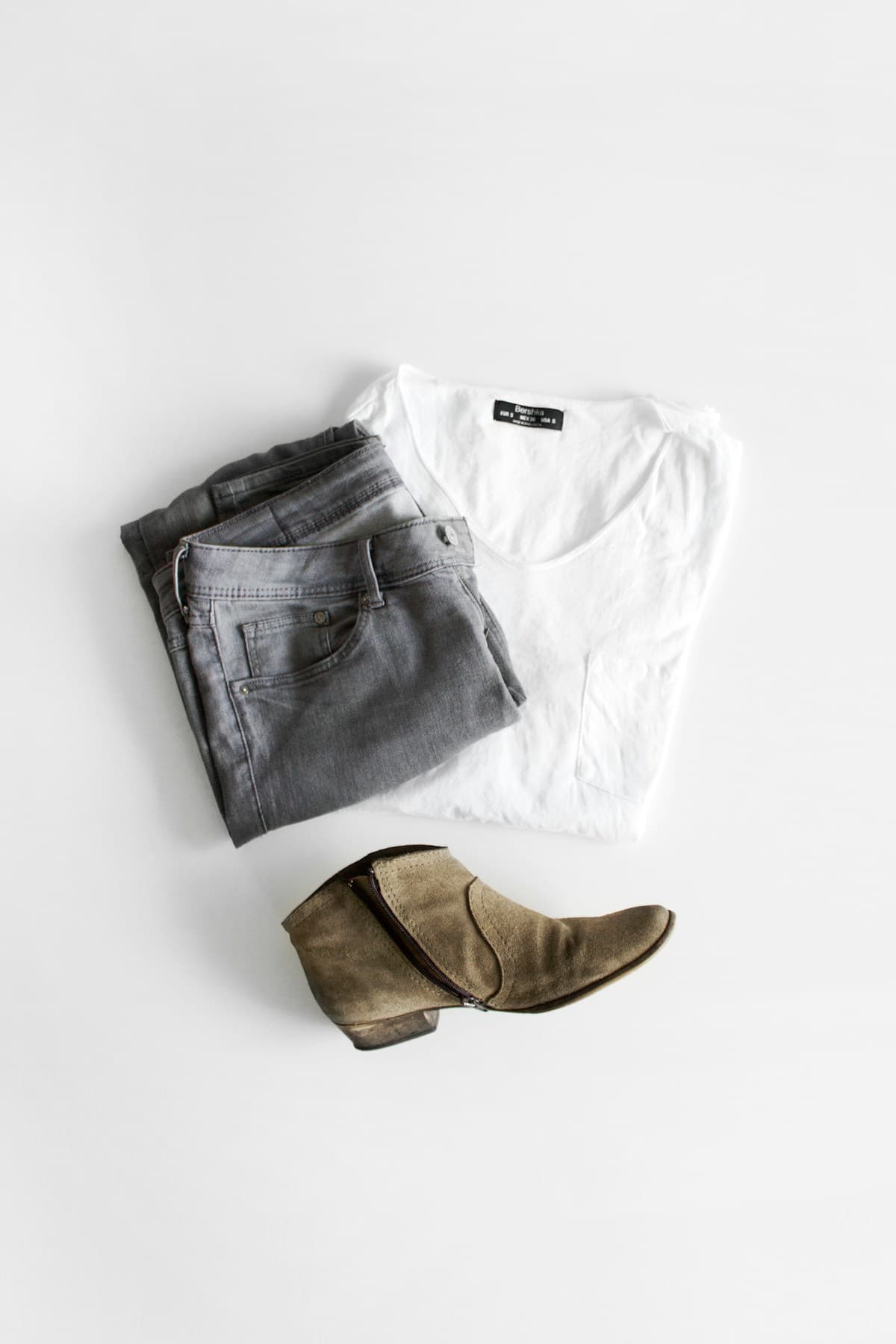
Never underestimate the power of accessories. You can elevate even a basic jean-and-tee look with a chic belt, a quality bag, or elegant jewelry.
Selinsu Çetin (Fashion Writer)
EditorFashion & Style Consultant